
4 Days Kyoto: A Relaxed Itinerary for First-Time Visitors
Kyoto is one of those places where you could easily spend a whole week and still find something new to explore.
With its beautiful temples, traditional streets, little tea houses, and peaceful gardens, there’s so much to see.
Especially on your first visit, it can be tempting to squeeze as many attractions as possible into each day, but Kyoto is much more enjoyable when you take your time.
That’s why I’ve put together this 4-day Kyoto itinerary for first-time visitors, combining some of the city’s most famous sights with a few of my personal favorites.
The itinerary is planned around locations that are close to each other, so you won’t spend half your day traveling from one side of Kyoto to the other.
There’s also plenty of room for spontaneous matcha stops, exploring small shops, and simply enjoying the atmosphere.
Here’s how I would spend four days in Kyoto without feeling rushed.
Overview:
Day 1 – Kyoto’s Famous Landmarks
Kinkaku-ji, Nijō Castle, Higashi Hongan-ji, Kyoto Tower
Golden temples, historic architecture, and city views
Day 2 – Traditional Kyoto & Gion
Kiyomizu-dera, Sannenzaka, Gion, Yasaka Shrine
Picturesque streets, little shops, and an evening stroll through Gion
Day 3 – Shrines & Bamboo Forest
Fushimi Inari Taisha, Kōdai-ji Temple & Bamboo Grove
Iconic torii gates, a quieter bamboo forest, and time to explore
Day 4 – Day Trip to Uji
Byōdō-in Temple, Uji River, traditional tea shops
Matcha, beautiful temples, and a relaxed day outside Kyoto
Day 1
Kinkaku-ji — The Golden Pavilion
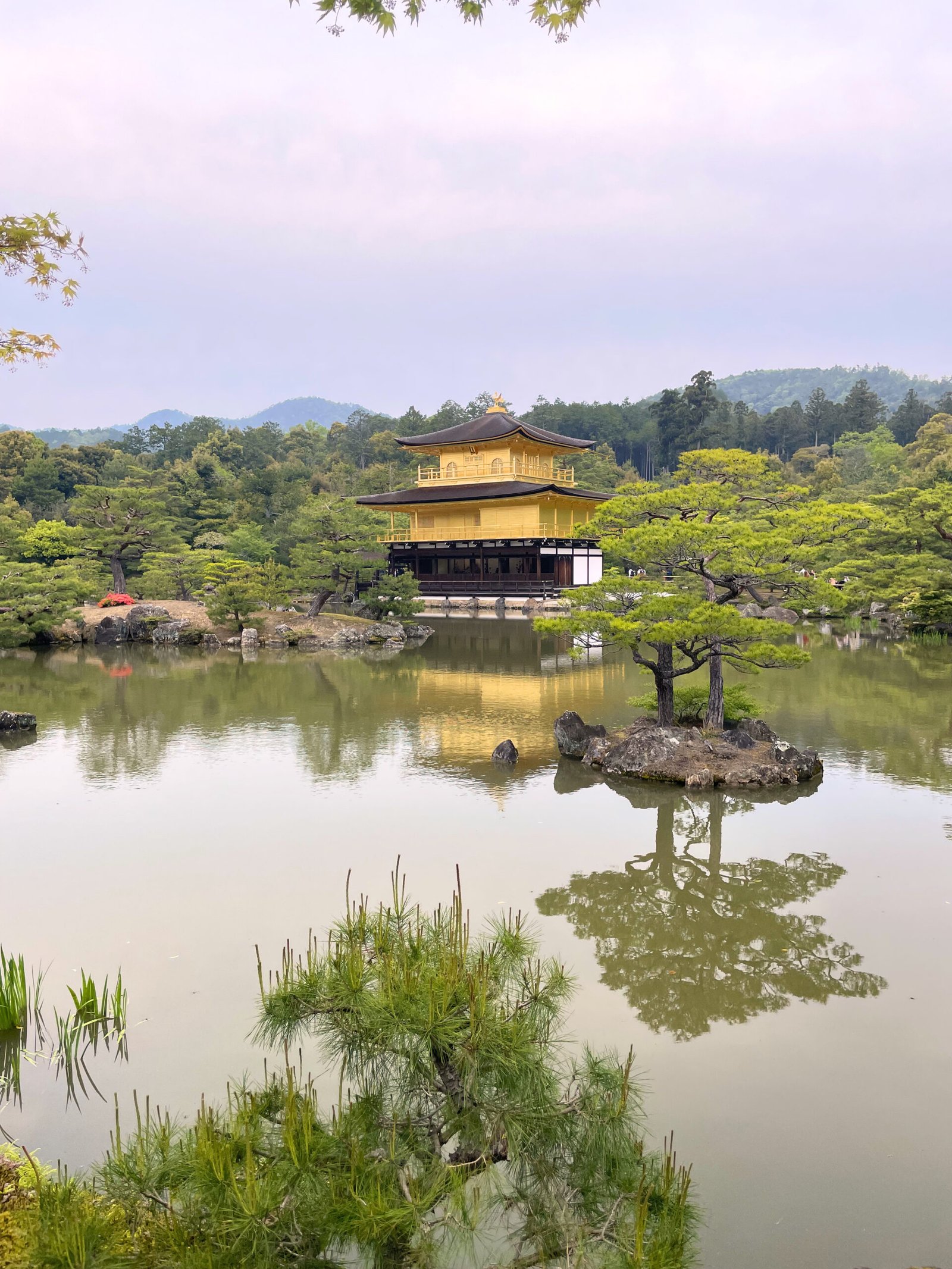
Also known as the Golden Pavilion, Kinkaku-ji has to be one of the most spectacular temples in Kyoto.
Covered in gold leaf, the pavilion looks especially stunning when the sunlight reflects off its golden exterior and the surrounding pond.
The beautifully maintained Japanese garden makes the visit even more special.
Although Kinkaku-ji is understandably popular and can get quite crowded, it’s still absolutely worth seeing.
My tip: Try to arrive right when the temple opens at 9:00 AM. You probably won’t have the place to yourself, but you’ll have a better chance of beating some of the crowds.
Nijō Castle
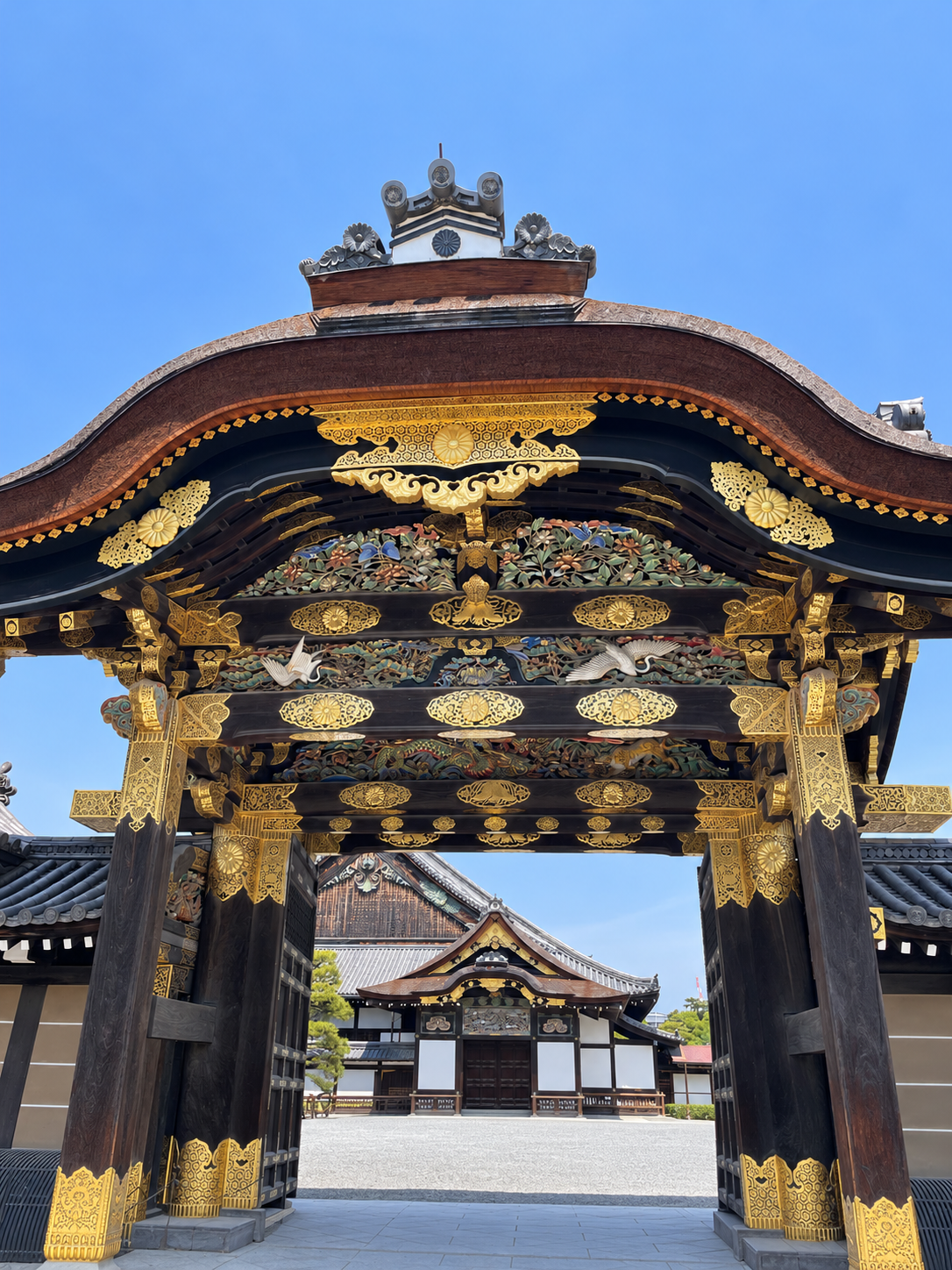
Next, make your way to Nijō Castle, which has witnessed some of the most important events in Japanese history since it was built over 400 years ago.
It’s also one of the 17 Historic Monuments of Ancient Kyoto recognized as a UNESCO World Heritage Site.
Besides its fascinating history and beautiful architecture, I particularly recommend taking some time to explore the surrounding gardens.
They’re incredibly well-maintained and perfect for a little stroll between sightseeing stops.
Higashi Hongan-ji Temple
After exploring Nijō Castle, head toward Kyoto Station for your next stop: Higashi Hongan-ji.
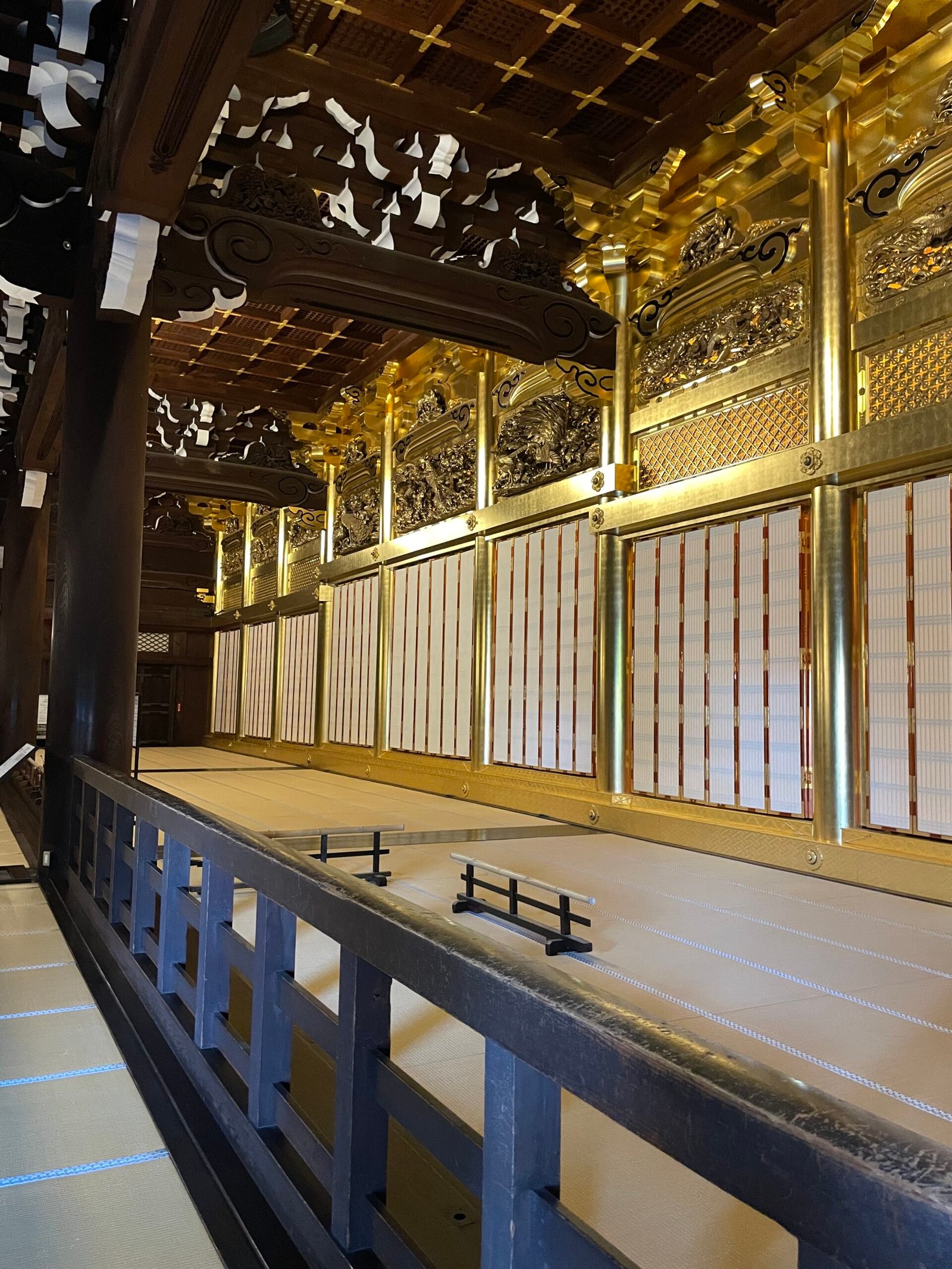
This beautiful Buddhist temple has spacious grounds and impressive wooden halls that are worth visiting.
What I particularly love is that you can enter the main halls for free. Inside, you’ll find beautiful golden details and an atmosphere that feels surprisingly peaceful considering how close the temple is to the busy Kyoto Station.
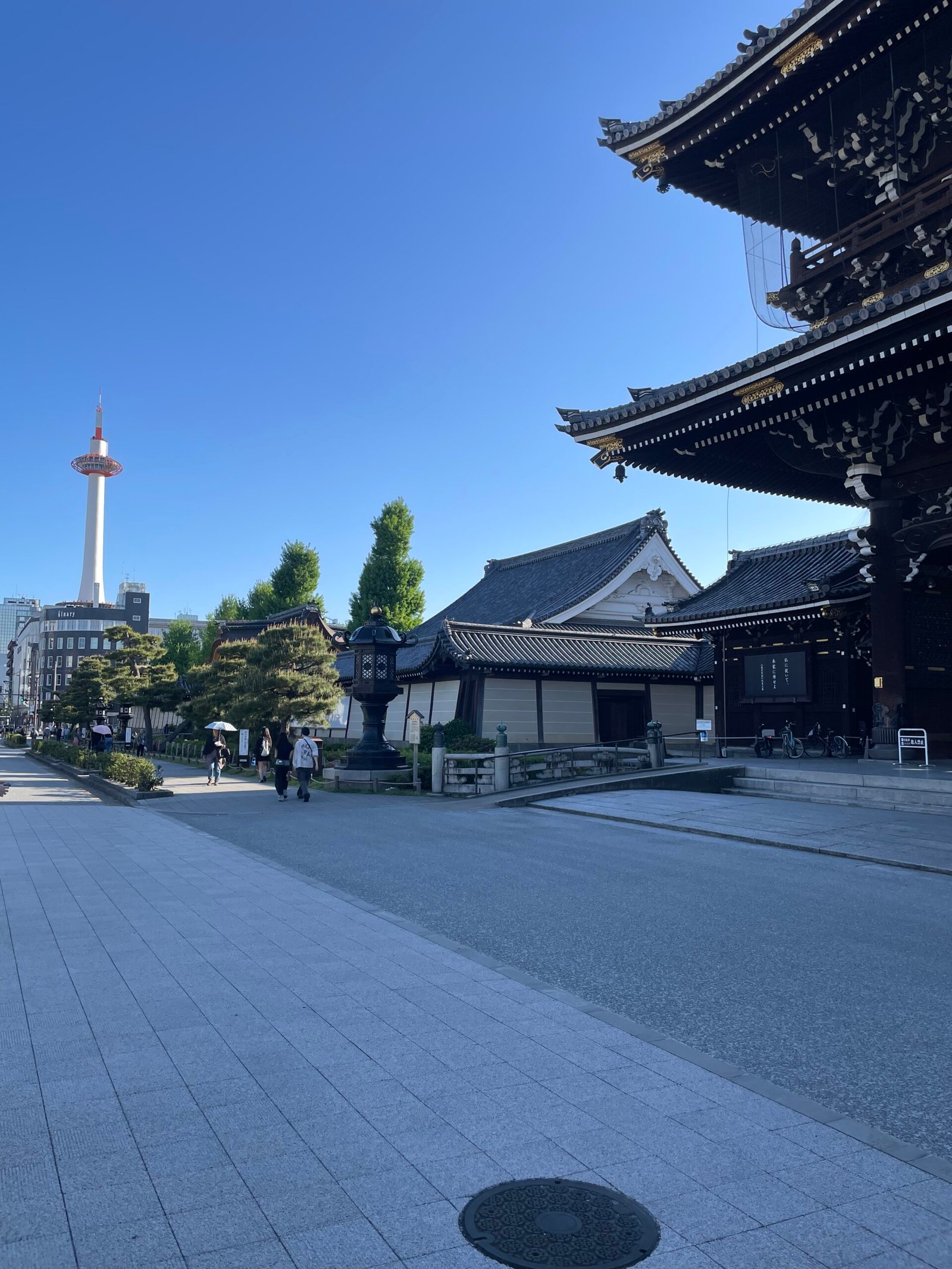
You also get a lovely view of Kyoto Tower from the temple grounds.
Kyoto Tower
To finish your first day, head over to Kyoto Tower, officially known as Nidec Kyoto Tower.
Located directly opposite Kyoto Station, it’s the tallest structure in Kyoto and offers a completely different perspective of the city.
For around ¥1,000, you can visit the observation deck, located approximately 100 meters above the ground, and enjoy panoramic views across Kyoto.
If possible, I’d recommend visiting around sunset or after dark, when the city starts lighting up.
It’s a nice way to end your first day without adding another long journey.
Day 2
Kiyomizu-dera
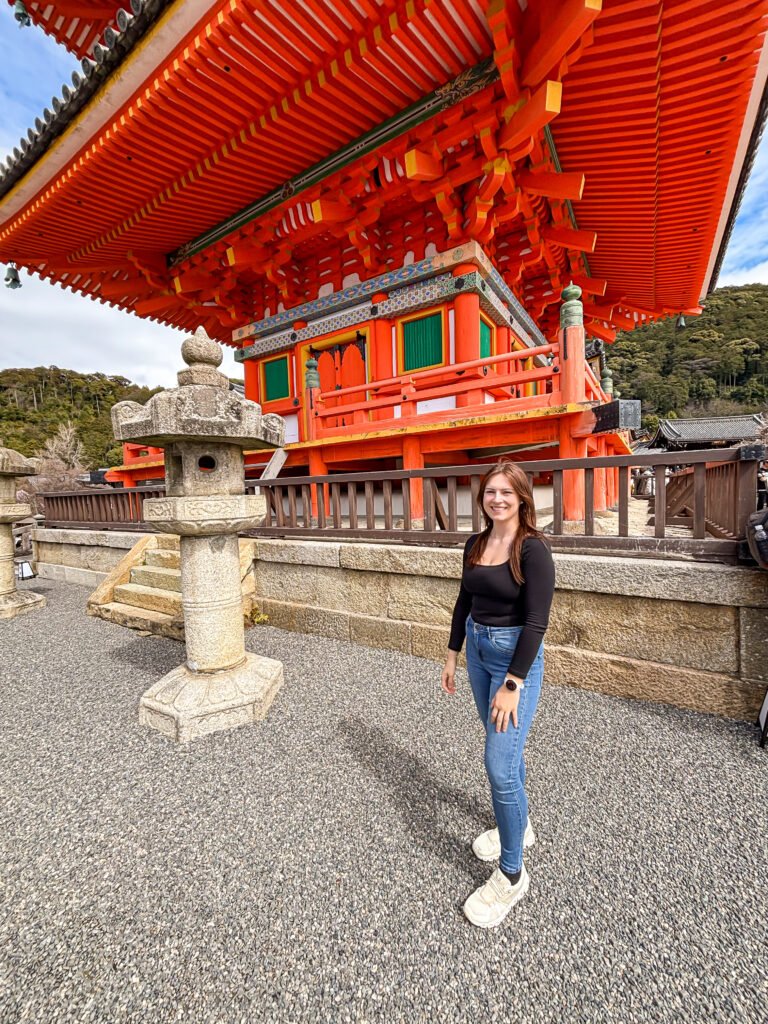
Start your morning at Kiyomizu-dera, one of Kyoto’s most famous and beautiful temples.
Founded in 778, this UNESCO World Heritage Site has over 1,200 years of history.
Although the temple has suffered numerous fires throughout the centuries, many of its buildings were reconstructed in 1633.
What makes Kiyomizu-dera particularly impressive is its location on the hillside, surrounded by trees and offering beautiful views over Kyoto.
My tip: Get here as early as possible. The temple opens at 6:00 AM, and crowds tend to build up throughout the morning.
Arriving before 9:00 AM makes the experience much more enjoyable.
Sannenzaka & Ninenzaka
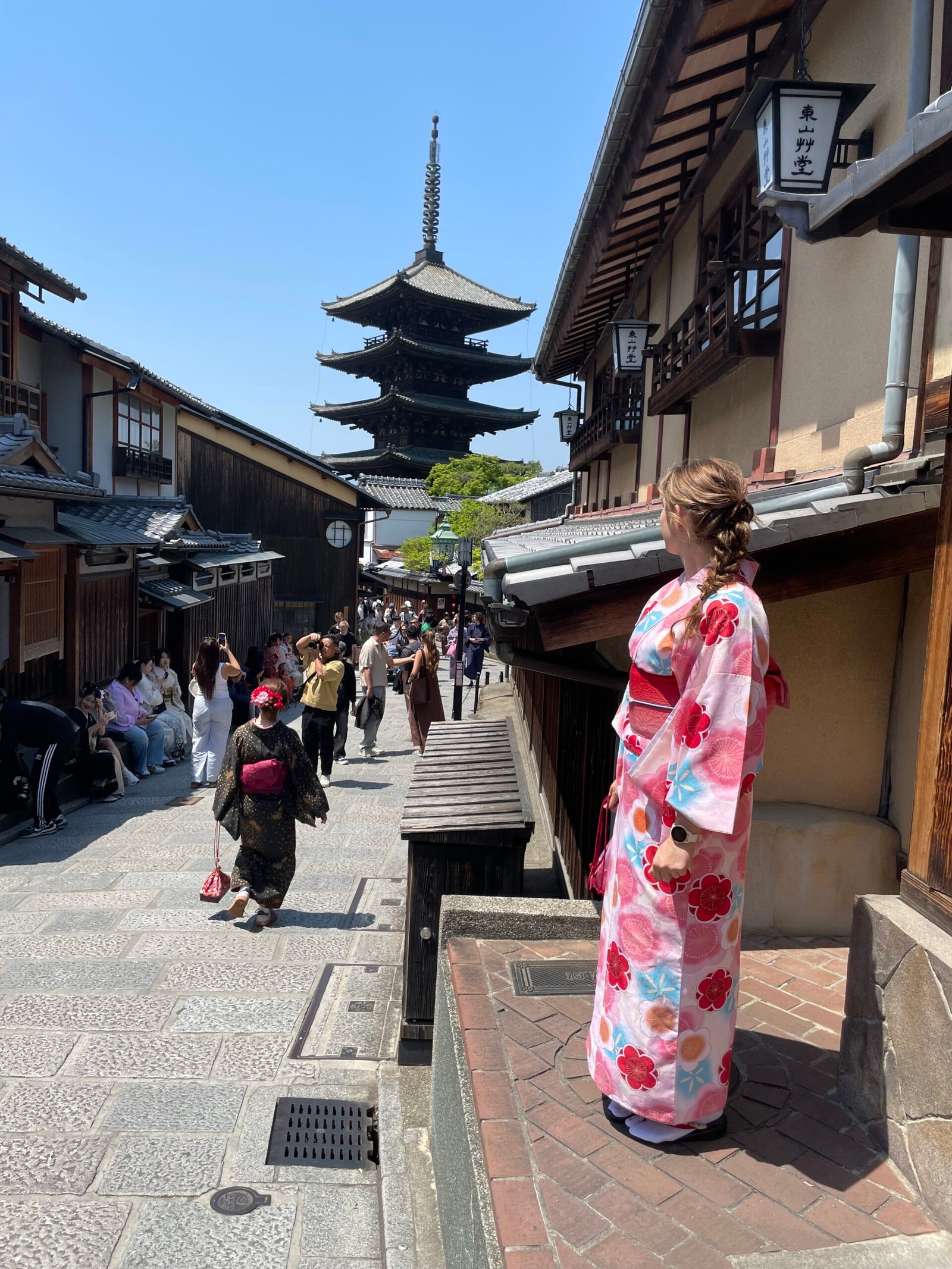
After visiting Kiyomizu-dera, follow the beautiful stone-paved streets of Sannenzaka and Ninenzaka downhill.
With their traditional wooden buildings, small shops, and old-fashioned atmosphere, these streets are exactly what many people imagine when they think of Kyoto.
I explored this area while wearing a kimono, which made the whole experience feel even more special.
You’ll find plenty of shops selling traditional crafts, souvenirs, Japanese sweets, and matcha, as well as cozy tea houses that are perfect for a little break.
And if you enjoy window shopping as much as I do, definitely plan some extra time here.
Rather than rushing from one attraction to the next, I’d recommend spending the afternoon exploring the neighborhood at your own pace.
Gion — An Evening Stroll
As the sun starts setting, slowly make your way toward Gion, Kyoto’s famous traditional entertainment district.
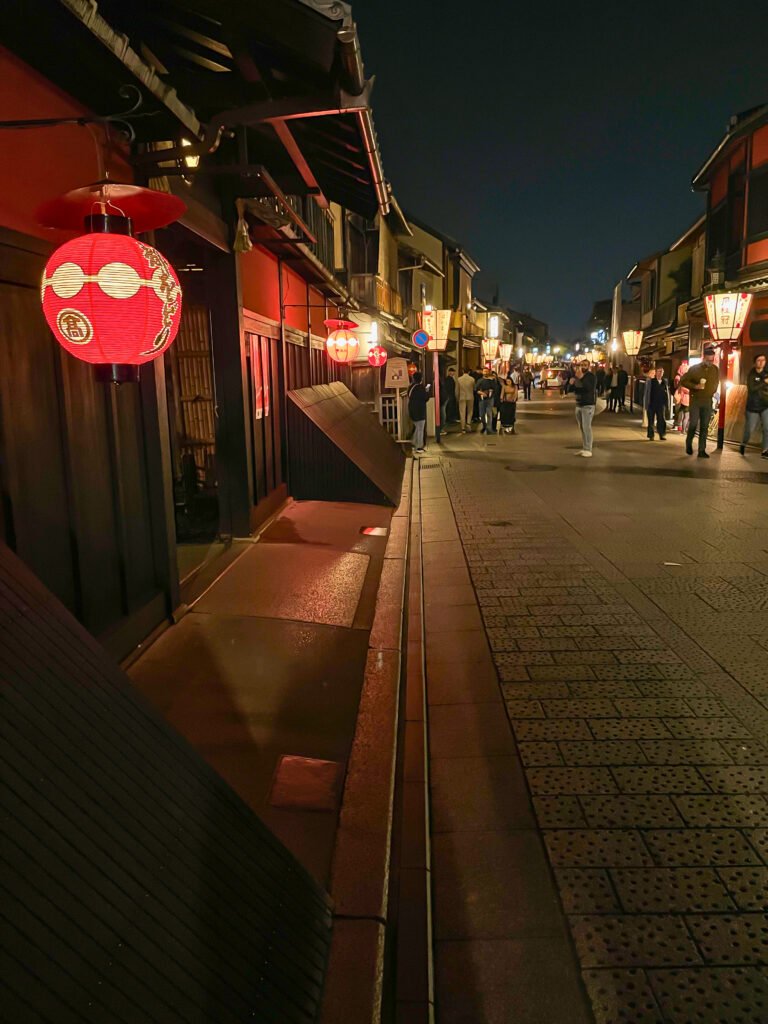
One of the most beautiful streets to explore is Hanamikoji, known for its traditional wooden facades, historic tea houses, and lovely atmosphere.
Especially around dusk, when the lanterns begin to glow, Gion has a very special charm.
If you’re lucky, you might even spot a geiko (Kyoto’s term for geisha) or a maiko, an apprentice geiko, on their way to an appointment.
A little reminder: As special as this experience might feel, please be respectful.
Don’t follow, stop, or photograph geiko and maiko without permission. They’re real people going about their work, not tourist attractions.
Some streets and areas are private and have restrictions on access and photography, so always pay attention to local signs.
Yasaka Shrine
Once it gets dark, make your way to Yasaka Shrine, located just a short walk from Gion.
While the shrine is beautiful during the day, I particularly recommend visiting in the evening.
The illuminated lanterns create a warm, almost magical atmosphere and make the shrine look especially picturesque.
It’s a lovely final stop before finding somewhere nearby for dinner.

Day 3
Fushimi Inari Taisha
Fushimi Inari Taisha is one of Kyoto’s most famous attractions and a true Japan travel classic.
The thousands of bright red-orange torii gates winding their way up Mount Inari are just as impressive in real life as they look in pictures.
Although the lower sections can become very crowded, you’ll notice that things tend to get quieter the further you walk uphill.
You don’t necessarily have to hike all the way to the summit, but I definitely recommend continuing beyond the first sections if you have the energy.
Along the way, there are also quieter paths and small shrines to discover.
Some alternative trails even lead through beautiful bamboo-covered areas.
If you enjoy walking and exploring a little off the main route, this is a lovely place to spend your morning.

Kōdai-ji Temple & Bamboo Forest
Next, head toward Higashiyama to visit Kōdai-ji, a beautiful Zen Buddhist temple founded in 1606.
The temple grounds feature lovely gardens, historic buildings, and two traditional tea houses.
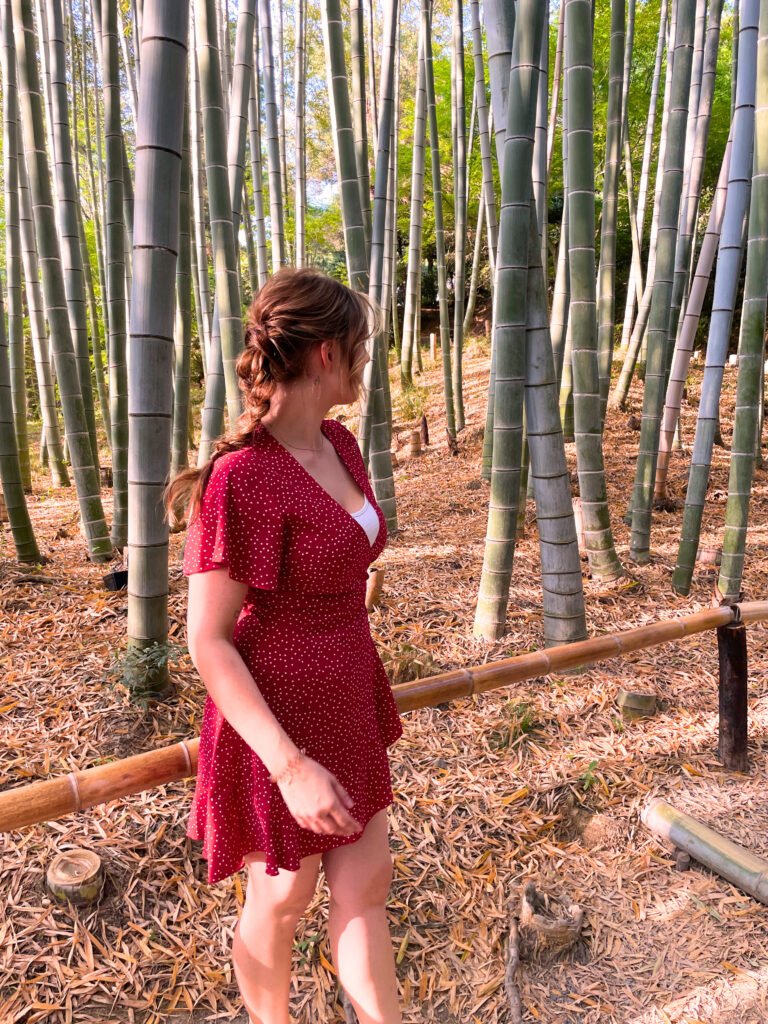
But one of my favorite parts was actually the small bamboo grove.
It might not be as big or famous as the Arashiyama Bamboo Grove, but that’s exactly why I loved it.
When I visited, it was much quieter, and I could really enjoy the bamboo surroundings without having to navigate huge crowds.
My slightly controversial take: If you’re mainly visiting Arashiyama for the bamboo forest, consider skipping it and visiting Kōdai-ji instead.
Not only do you get a beautiful little bamboo grove, but you also get to explore a lovely temple and its gardens at the same time.
Enjoy a Slow Afternoon
For the rest of the day, I’d recommend keeping your plans open.
Stop at a cozy tea house, wander through a neighborhood that catches your attention, or grab a drink and spend some time relaxing by the Kamo River.
You don’t always need another temple or attraction on your itinerary.
Sometimes the best way to experience Kyoto is simply to slow down and enjoy being there.
Day 4
A Day Trip to Uji — The City of Matcha
If you have a fourth day in Kyoto, I can really recommend taking a day trip to Uji.
Located just a short train ride from Kyoto, Uji is famous for its high-quality green tea, especially matcha.
Whether you want to shop for delicious matcha, learn more about Japanese tea culture, or explore beautiful temples, there’s plenty to discover.
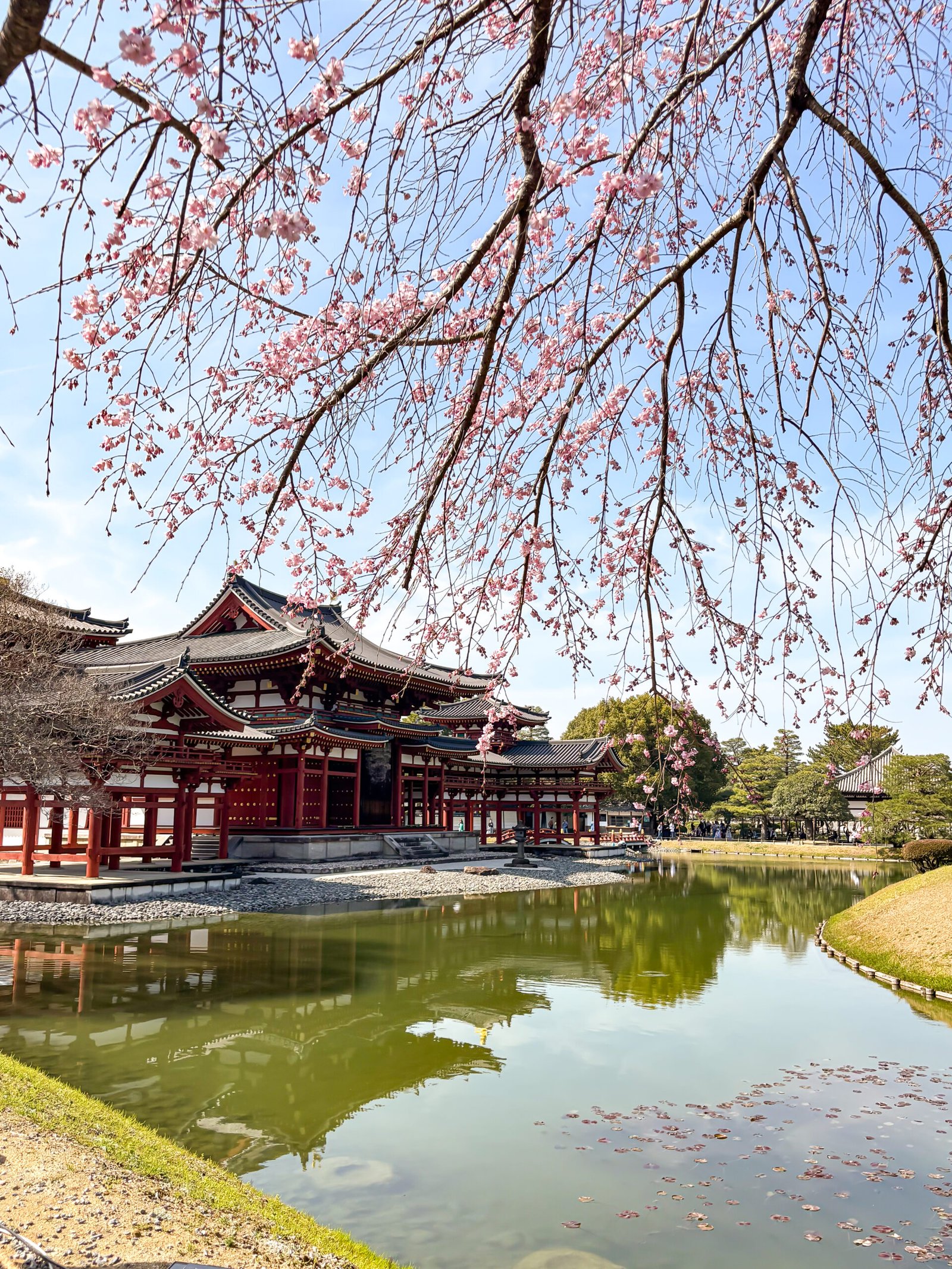
One of the main highlights is Byōdō-in Temple, a beautiful UNESCO World Heritage Site known for its elegant Phoenix Hall and surrounding pond.
Afterward, take some time to explore the traditional tea shops around town, try a few matcha treats, and enjoy a peaceful walk along the Uji River.
What I particularly like about Uji is that you can easily explore the town at your own pace without needing a packed schedule.
If you want to explore Uji in more detail, I’ve put together a separate guide with more places to visit and things to do.
3 Food & Drink Stops I Recommend in Kyoto
Of course, no Kyoto itinerary would be complete without trying some delicious food and matcha.
Here are three places or treats I’d recommend adding to your trip.
1. Crispy Gyoza at Motoi Gyoza
If you’re craving some fresh and crispy gyoza, Motoi Gyoza is definitely worth checking out.
What I particularly liked was that the staff also recommended which dipping sauces to pair with the different gyoza.
It’s such a small detail, but it made the whole experience even better.
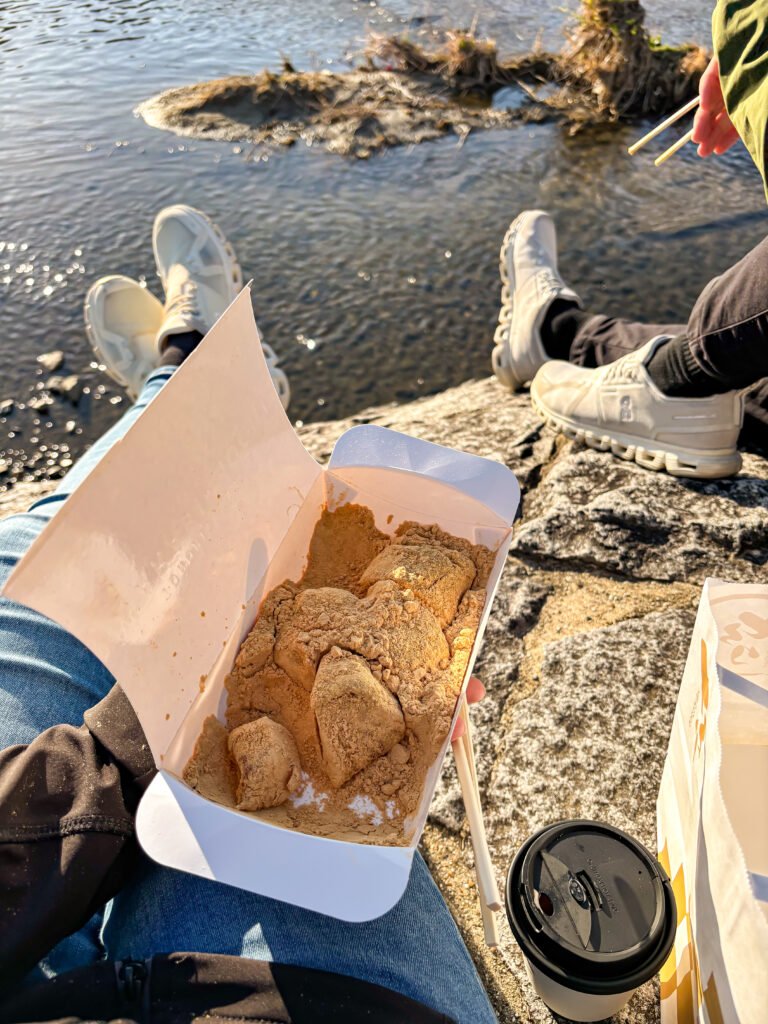
2. Try Warabi Mochi
Warabi mochi is a traditional Japanese dessert with a soft, jelly-like texture, often covered in roasted soybean flour (kinako) or matcha powder.
I’ll admit, it wasn’t exactly my favorite Japanese dessert.
But I still think it’s worth trying at least once, especially if you enjoy discovering new flavors and textures.
My recommendation would be to start with a small portion and see what you think.
3. A Matcha Latte at Coffee Bar PineBook
PineBook is a small, cozy café that I really liked during my time in Kyoto.
Its retro-style interior, filled with books, gives the place a warm and welcoming atmosphere also thanks to the staff that is really nice.
I often stopped by to grab a matcha latte to go, and it quickly became one of my little Kyoto favorites.
Definitely worth keeping in mind if you’re looking for a nice matcha or coffee stop.
Final Thoughts: How Many Days Do You Need in Kyoto?
Personally, I think four days in Kyoto is a great amount of time for first-time visitors, especially if you prefer exploring at a relaxed pace.
You’ll have enough time to visit some of the city’s most famous landmarks, discover beautiful traditional neighborhoods, enjoy delicious food, and even squeeze in a day trip to Uji.
If you only have three days, you can easily skip the Uji day trip and still experience many of Kyoto’s highlights.
And one last tip: Don’t feel like you need to see every famous temple in Kyoto.
Leave some room for spontaneous discoveries, little cafés, and simply getting lost in the beautiful streets.
After all, those unexpected moments are often the ones you’ll remember most from your trip.
More Travel Stories You Might Enjoy…

A Daytrip To: Uji
Discover the best things to do in Uji, from matcha workshops and matcha soba to Byōdō-in Temple and peaceful riverside walks.
4 Days in Osaka Itinerary
Discover Osaka’s lively streets, delicious food, peaceful temples and unforgettable day trips with this relaxed 4-day itinerary.

2 Week Japan Itinerary
Planning your first trip to Japan? Follow this 2 week itinerary through Tokyo, Kyoto and Osaka, including temples, day trips and must-see attractions.